GamesRadar Expedition 33 Review Explains Why Sandfall’s Debut RPG Truly Stands Out From The Crowd
If you have spent any time in gaming forums this year, you have probably run into someone quoting a gamesradar expedition 33 review headline. It is hard to avoid. Clair Obscur: Expedition 33 arrived quietly in April 2025 from a French studio nobody outside industry circles had heard of, and within weeks it was being talked about as one of the finest role-playing games in a decade. The gamesradar expedition 33 coverage played a huge part in that conversation, giving the game a 4.5 out of 5 score and calling it an outstanding visionary debut.
What makes this story interesting is not just the score itself. It is the way a small team, working with a fraction of the budget of the big Japanese studios, managed to build something that critics kept comparing to Persona, Final Fantasy, and Lost Odyssey in the same breath. This piece walks through what the review actually said, why it resonated, and what it means for turn-based RPGs going forward.
There is also a wider story here about how one piece of coverage can shape public perception of a game before most players pick up a controller. A single gamesradar expedition 33 headline traveled across social feeds and forums within days, turning an unknown release into something people felt they needed to try. That kind of momentum rarely happens by accident, and it says a lot about why this game caught fire the way it did.
GamesRadar’s Expedition 33 Review Begins
The opening lines of the gamesradar expedition 33 review set the tone for everything that followed. The critic admitted they had long accepted that JRPGs could come from outside Japan, but this was the first time a Western-made title felt like it was building its own identity rather than copying a formula. That is a bold claim to open with, and it is not one reviewers throw around lightly.
From the very first shot of a fractured Eiffel Tower, players are told this is not going to be a typical fantasy adventure. The world is dying, quite literally, and every year a mysterious entity called the Paintress erases another year of the population. It is a strange, almost poetic premise, and the review leaned into just how unusual that setup felt compared to anything else releasing that spring.
A French Studio’s Bold Debut
Sandfall Interactive is based in Montpellier, and most of its core team came from larger publishers before striking out on their own. For readers curious about how smaller teams are shaking up bigger genres, our recent RPG update coverage looks at a similar situation playing out with another independent-minded release. It is worth a look if you like seeing scrappy studios take on giants.
What stood out to critics was the confidence of the presentation. A debut title rarely swings this hard on tone, art direction, and mechanical ambition all at once, yet Expedition 33 does exactly that. The Belle Epoque aesthetic, all warm light and decaying grandeur, gives the game a look that nothing else on shelves quite matches.
Under 50 people worked on the game at its core, a detail that kept coming up across nearly every outlet covering the launch. That number matters because it reframes what counts as ambitious in this industry, and it is part of why so many writers kept returning to the underdog angle when describing the project.
Founders at Sandfall spoke openly about the risk of leaving stable jobs at established publishers to chase a personal creative vision with limited funding. That gamble paid off in a way few predicted, and it has become a rallying story for small teams pitching ambitious ideas without a massive studio behind them. Coverage discussing the gamesradar expedition 33 origin story often points back to this scrappy beginning as the reason the final product feels so personal.
Combat That Rewards Real Timing
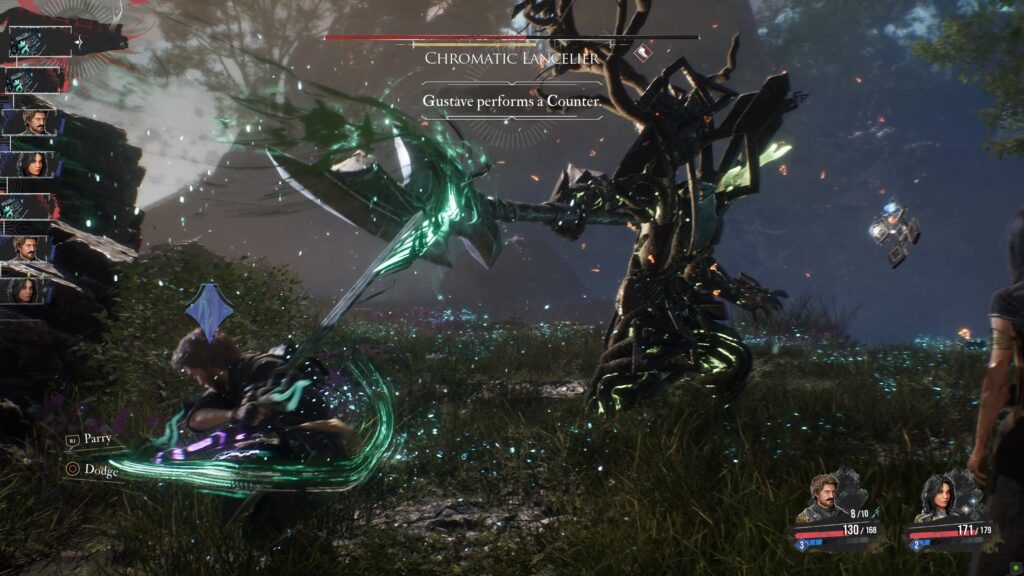
Turn-based combat has a reputation problem. Plenty of players assume it means standing still and picking a menu option while nothing exciting happens on screen. Expedition 33 throws that assumption out immediately by layering active dodges, parries, and jumps into every encounter, meaning you are never just watching numbers tick down.
The parry system in particular earned constant comparisons to Sekiro, a game about as far from a classic JRPG as you can get. Landing a perfect parry rewards you with extra damage and momentum, and missing one can end a fight fast. That tension between careful planning and split-second reaction time is exactly what critics said set the battles apart from genre peers.
Bosses ramp up that pressure considerably. Attack patterns are readable but unforgiving, and the game expects you to learn them rather than grind past them with better gear alone. It is a demanding system, but reviewers largely agreed the payoff was worth the learning curve.
Party composition adds another layer of strategy on top of the reflex-driven parrying. Each character brings a distinct skill set, and swapping members mid-run to counter specific enemy types becomes second nature after a few chapters. Players are gently nudged toward experimenting, which keeps combat feeling fresh well past the halfway point.
Visuals That Define Expedition 33
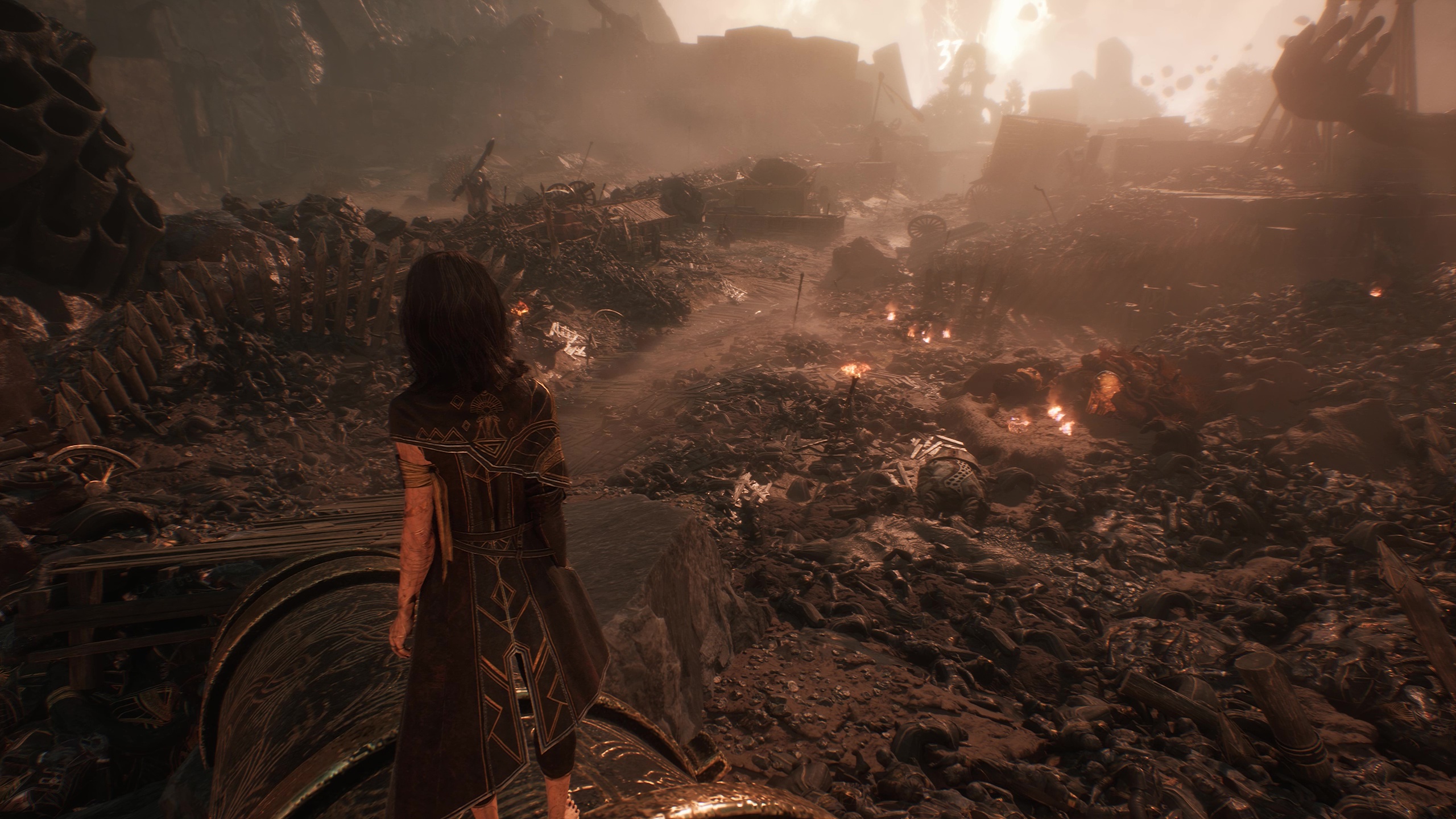
Environmental art carries a huge share of the emotional weight in this game, and it shows in nearly every screenshot shared online since launch. Crumbling monuments, painterly skies, and lighting that shifts with the story’s mood all combine into something that feels closer to a moving painting than a typical big-budget RPG.
Character models hold up just as well under scrutiny, with expressive animation work that sells grief, humor, and fear without leaning on lengthy dialogue trees. Even smaller environmental details, like debris caught mid-collapse or fabric that reacts to wind, add texture that most studios this size simply cannot afford to include.
Screenshot and clip culture on social media only amplified the effect. Every gamesradar expedition 33 feature this year seemed to include at least one striking piece of concept art, and those images traveled far beyond gaming spaces into general art communities online. That crossover appeal is rare for a role-playing game and helped the title reach an audience outside its usual genre fans.
Why GamesRadar Expedition 33 Shines
There is a reason the gamesradar expedition 33 coverage kept circling back to atmosphere as a defining strength. The writing team leaned hard into melancholy without letting the tone become exhausting, balancing heavy themes of loss with genuine warmth between party members.
Voice acting deserves credit here too. Performances feel grounded rather than theatrical, which suits a story built around ordinary people facing an impossible situation. Small character beats land because the cast sounds like they actually believe the stakes, not like actors reading lines in a booth.
Music plays a quieter but equally important role, swelling at exactly the right emotional beats without drowning out dialogue. It is the kind of score you notice on a second playthrough more than the first, once the story beats are familiar and you can appreciate the craft behind the timing.
An Emotional Story Worth Finishing
Roughly thirty to forty hours long depending on how much you explore, the campaign avoids the padding that drags down many modern RPGs. Side content exists, but it rarely feels mandatory, letting players choose how deep they want to go without punishing a more direct playthrough.
The central mystery around the Paintress and the yearly culling gives every chapter forward momentum. Just when a plot thread seems settled, the game reveals another layer that recontextualizes earlier scenes, a structure critics repeatedly praised for rewarding attentive players without resorting to cheap twists.
Character arcs land with real weight by the closing chapters. Party members grow and change in ways that feel earned rather than scripted, and the ending sequence in particular has been cited across dozens of outlets as one of the most memorable closing hours in recent RPG memory.
Side stories deserve mention too, since they rarely feel like padding. Optional companion quests tend to deepen relationships that already matter to the main plot, giving players a reason to seek them out beyond simple loot rewards. That restraint is part of why the pacing rarely drags across a campaign that could have overstayed its welcome.
Comparing Expedition 33 To Persona
Reviewers reaching for comparisons kept landing on Persona for its stylish presentation and party dynamics, though Expedition 33 trades urban high school drama for gothic fantasy despair. Both games share a love of striking menu design and a willingness to let combat music carry real personality.
The comparison to Lost Odyssey feels even more apt to players who remember that Xbox 360 cult favorite. Both stories deal directly with mortality and memory, and both use turn-based systems that reward pattern recognition over raw stat grinding. It is easy to see why longtime JRPG fans latched onto Expedition 33 so quickly.
Fans of Final Fantasy have also weighed in heavily on the comparison, particularly players who felt recent mainline entries drifted too far from turn-based roots. Multiple gamesradar expedition 33 pieces touched on this exact debate, framing the game as proof that classic mechanics still have plenty of room to grow rather than needing to be abandoned entirely for real-time action systems.
Sekiro Style Parries Explained Simply
Much has been made of the parry timing, so it helps to break down what actually happens on screen. Enemy attacks flash briefly before landing, giving a narrow window to press the dodge or parry button. Get it right and the game slows down just enough to make the moment feel earned rather than lucky.
According to GamesRadar’s full review, this system is what elevates encounters from routine to genuinely thrilling, since even weaker enemies can punish careless button mashing. That single mechanical choice is arguably the biggest reason turn-based combat feels fresh again in 2025 rather than dated.
Some players do find the difficulty spikes steep, particularly against optional bosses tucked away in side areas. The game rarely apologizes for that difficulty, though accessibility options exist for players who want the story without quite as much mechanical pressure.
The GamesRadar Expedition 33 Score
A 4.5 out of 5 is a strong score by any measure, and the gamesradar expedition 33 verdict placed it firmly among the best releases of the year almost immediately. That kind of praise from a widely read outlet carries weight, especially for a studio without an established track record to lean on.
Aggregator sites backed up that enthusiasm too. Review compilation platforms eventually listed Expedition 33 as the highest-rated game of 2025 across critic scores, edging out several bigger budget releases from studios with decades more experience behind them.
Sales Numbers Nobody Predicted
Commercial success followed the critical wave almost immediately. The game crossed several million copies sold within its first weeks, a figure that surprised even the developers themselves given how little marketing spend they had compared to major publishers.
By the time its first anniversary rolled around, total sales had climbed past eight million copies, a number that put it in conversation with far bigger franchises. Word of mouth clearly did a lot of heavy lifting here, spreading through streaming clips and enthusiastic social media posts rather than traditional advertising.
Subscription services also played a role in that growth curve. Analysts pointed to the game’s inclusion on major platforms as a case study in how discoverability, not just marketing budget, can turn a strong game into a genuine commercial hit.
Winning Every Major GOTY Award
Awards season only reinforced what critics had been saying since launch. Expedition 33 swept nearly every major Game of the Year category it was nominated for, an outcome that surprised even seasoned industry watchers who expected a closer fight among several strong contenders that year.
Developers at Sandfall Interactive have been open about how unexpected the recognition felt. Public comments from the team described the wins as almost overwhelming, especially given how many genuinely excellent games released in the same twelve month stretch.
What Other Critics Said Too
Outside of the widely cited gamesradar expedition 33 verdict, other major outlets landed in a similar range. Scores across dozens of publications clustered tightly around the top end of most rating scales, which is unusual for any release, let alone a debut from a first-time studio.
Common threads ran through nearly all of that coverage: praise for the visual direction, respect for the combat’s risk and reward balance, and consistent emotional investment in the story’s central cast. Very few reviews found major structural flaws worth dwelling on for long.
Where outlets differed slightly was in how they framed the difficulty curve. Some described the late game boss gauntlet as thrilling, while others felt a handful of encounters leaned too punishing for casual players. Even those more critical takes tended to close with strong recommendations, which is part of why aggregate scores stayed so consistently high.
GamesRadar Expedition 33 Anniversary Update
One year after launch, the gamesradar expedition 33 coverage returned with news of a fresh update adding a new location along with extra late game bosses. The team framed the release as a thank you to players who had stuck with the game well past launch week.
Notably, the developers confirmed they would not be pursuing large paid downloadable content, choosing instead to keep supporting the base game with free additions. That decision earned goodwill from a community that has grown wary of studios milking successful releases with endless expansion passes.
New Content Added This Year
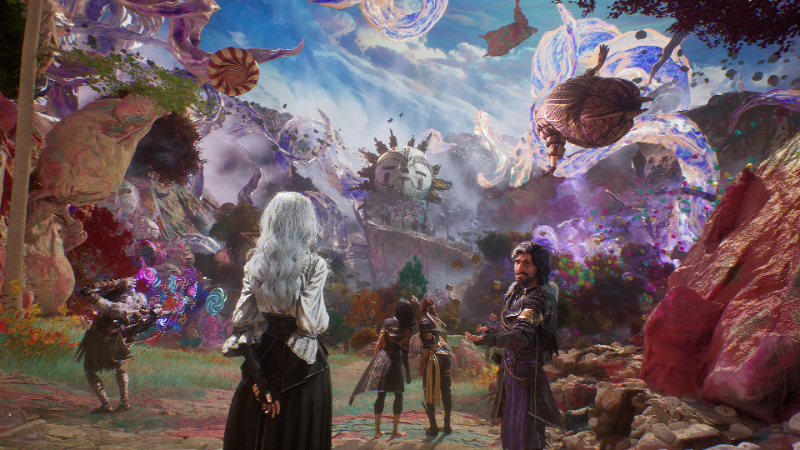
The anniversary patch reworked a handful of character designs, added new combat encounters, and expanded an existing late game area that many players felt ended too abruptly on first release. Small quality of life adjustments rounded out the patch notes as well.
Community reaction leaned strongly positive, with plenty of returning players jumping back in purely to experience the added content. For a game already sitting near the top of most critic rankings, that kind of continued support only strengthened its long term reputation.
Streamers and content creators played a big part in reintroducing the game to a wider audience around the anniversary window. Fresh playthrough clips brought in first-time players who had heard the buzz at launch but never started the campaign, giving the title a second wind almost a year later.
Why Turn Based Combat Works
There has been a broader conversation this year about whether turn-based systems can still compete with faster, more action-oriented RPGs, and Expedition 33 answered that question fairly convincingly. Sales figures and review scores both suggest players are hungry for tactical depth again, not just reflex-based combat.
Other developers have taken notice too. Several studios working on upcoming turn-based projects have cited Expedition 33 directly as proof that the format still has commercial upside when executed with enough polish and personality behind it.
Platforms Where You Can Play
Expedition 33 launched simultaneously on PC, PlayStation 5, and Xbox Series X and S, a decision that avoided the platform exclusivity debates that often follow big RPG releases. Performance across all three platforms has generally been solid, with PC players benefiting from adjustable graphics settings for lower end hardware.
Pricing has stayed fairly consistent across storefronts, and periodic sales have made the game even more accessible to players who waited past launch. Given the sheer amount of praise still circulating, jumping in now rather than waiting seems like reasonable advice for most RPG fans.
Cross-platform save support has also made it easier for players to start on one system and continue elsewhere, a feature that was not guaranteed given how new the studio is to shipping at this scale. Technical hiccups at launch were minor and mostly patched within weeks, a better track record than plenty of larger releases manage.
Why GamesRadar Expedition 33 Matters
Stepping back from individual scores and sales figures, the broader gamesradar expedition 33 story says something important about the games industry right now. A small independent studio outperformed titles backed by enormous budgets, proving that vision and craft can still beat scale when the ideas are strong enough.
That lesson will likely shape how publishers approach smaller passion projects going forward, and it has already given plenty of independent developers a fresh case study to point to when pitching ambitious ideas to skeptical investors.
Frequently Asked Questions
Is the gamesradar expedition 33 review worth reading before buying the game? Yes, it covers combat, story pacing, and presentation in enough detail to help you decide if the game’s tone and difficulty suit your taste, without spoiling major plot twists.
How long does Clair Obscur: Expedition 33 take to finish? Most players report somewhere between thirty and forty hours for a full playthrough, depending on how much optional content and side exploration they pursue along the way.
Is the combat difficult for newcomers to turn-based RPGs? It can be challenging, especially during boss fights, but accessibility settings exist to soften the difficulty curve for players who want to focus on the story instead.
Will there be a sequel or major expansion? Sandfall Interactive has stated it will not release large paid downloadable content, focusing instead on free updates, though the studio has not ruled out future projects entirely.
Conclusion
Few games in recent memory have generated the sustained enthusiasm that Clair Obscur: Expedition 33 has managed since its spring 2025 launch. What began as a modest debut from a Montpellier studio turned into one of the most decorated releases in years, and the gamesradar expedition 33 review played a real role in shaping that narrative early on.
Between its striking art direction, tense parry-based combat, and a story that treats mortality with genuine care, it is easy to understand why critics and players kept returning to it long after launch week ended. The anniversary update and continued sales growth suggest this is not a game fading into the background.
For anyone still on the fence, the consistent message across coverage is simple: this is a turn-based RPG that rewards patience, curiosity, and a willingness to sit with a story that does not shy away from difficult themes. Few debuts earn that kind of trust from players, and fewer still keep it a year later.