What Nobody Tells You About iPhone 16e Vs iPhone 16 Before You Buy One
Picking between the iPhone 16e and the iPhone 16 sounds simple until you actually sit down with both boxes in front of you. On paper they look close. In real life, the gap shows up in places you would not expect, like camera flexibility and how the phone feels in your palm during a long day. This comparison of iphone 16e vs iphone 16 is not about crowning a winner, it is about matching the right phone to the right person.
Apple positioned the 16e as the budget-friendly door into its current lineup, while the 16 sits as the true flagship for anyone who wants the full feature set. Both run the same A18 chip family and both support Apple Intelligence, so the story is less about raw power and more about the small compromises Apple made to hit that lower price. We will walk through every angle of iphone 16e vs iphone 16 so you are not guessing at checkout.
iPhone 16e Vs iPhone 16 Overview
Most buyers assume the entry-level model in any lineup is simply a slower version of the flagship, and with the iphone 16e vs iphone 16 debate, that assumption only holds partway. The 16e shares the same 6.1 inch Super Retina XDR display class as the 16, and both use the A18 chip, so everyday scrolling, browsing and messaging feel nearly identical. Spec sheets alone will not tell you which phone actually suits your habits, which is why this iphone 16e vs iphone 16 breakdown looks past the numbers.
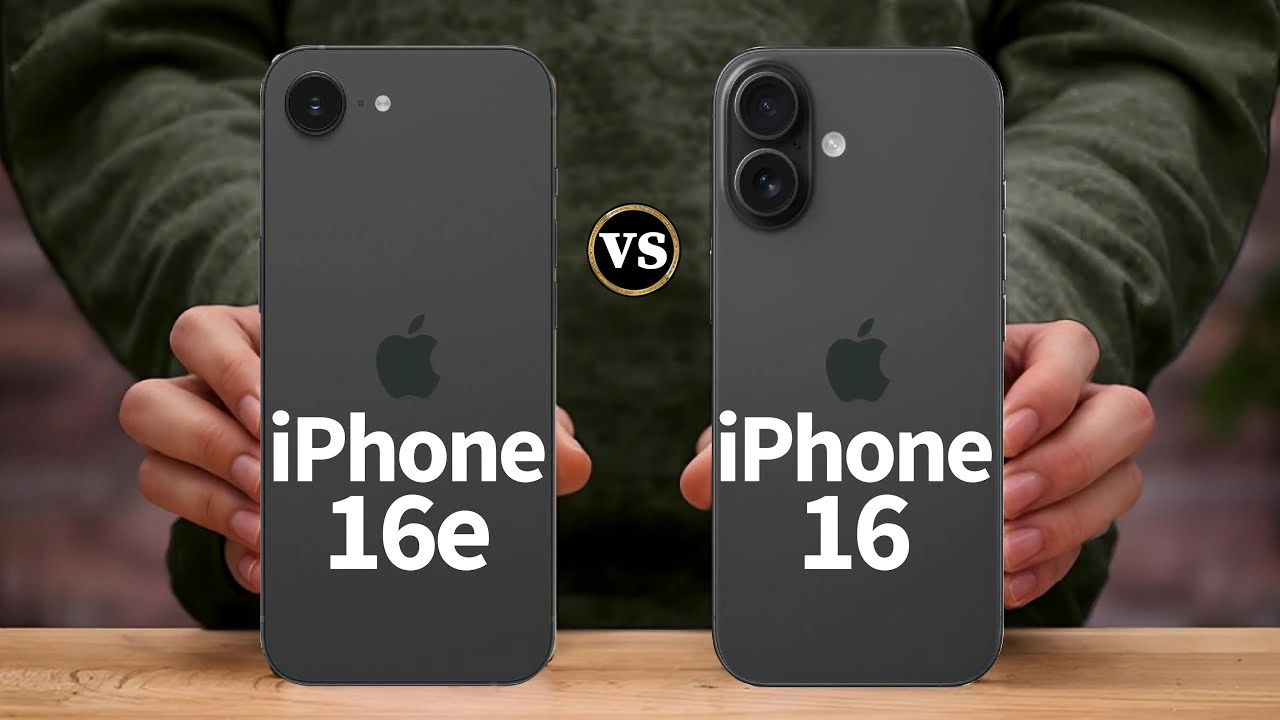
Where things split apart is the camera array, the charging standard and the physical controls on the side of the phone. The 16e keeps a single 48MP rear camera while the 16 gets a second ultra-wide lens, which changes what kind of photos each phone is actually good at. Price also plays a bigger role here than people expect, since the 16e starts around 170 dollars cheaper than the standard SE it replaced, yet still sits below the full iPhone 16.
Announced in February 2025, the 16e arrived a few months after the rest of the iPhone 16 family, filling the gap left by the discontinued iPhone SE. That timing matters because it means the 16e runs newer software out of the box and was built from day one with Apple Intelligence in mind, unlike the SE generation it replaced. Keep that context in mind as we go section by section through the rest of this comparison.
Design Language And Build
Hold the 16e and the 16 side by side and the family resemblance is obvious, but the details tell a different story. The 16e keeps the notch from the iPhone 14 generation instead of adopting the Dynamic Island, which is honestly the first thing longtime iPhone camera upgrade guide readers notice when comparing the two phones in a store. That notch is not a dealbreaker, but it does make the 16e feel a generation behind visually.
The iPhone 16, on the other hand, carries the Dynamic Island, a dedicated Camera Control button and MagSafe support built into the back glass. The 16e skips MagSafe entirely, which is a genuine inconvenience if you already own magnetic wallets, car mounts or wireless chargers. Build quality on both phones uses the same aerospace-grade aluminum frame, so durability itself is not really a concern in this comparison.
Weight and thickness are close enough that most people switching between the two would not notice a difference while holding either phone one-handed. Buttons, including volume rockers and the power button, sit in the same positions across both models, so muscle memory carries over instantly if you are upgrading from an older iPhone. Visually, only the front notch really gives away which model you are holding.
Display Size And Clarity
Screen specs are one area where Apple did not cut many corners on the cheaper model. The 16e uses a 6.1 inch OLED panel while the 16 measures 6.12 inches, a difference so small you would need a ruler to notice it in daily use. Both support Dolby Vision and HDR10 playback, so video quality on streaming apps looks nearly the same on either device.
Peak brightness is where the small gap actually shows up. The standard 16 pushes slightly higher brightness levels outdoors, which matters if you spend a lot of time checking your phone in direct sunlight. For indoor use, gaming or reading, most people will not notice any real difference between the two screens at all.
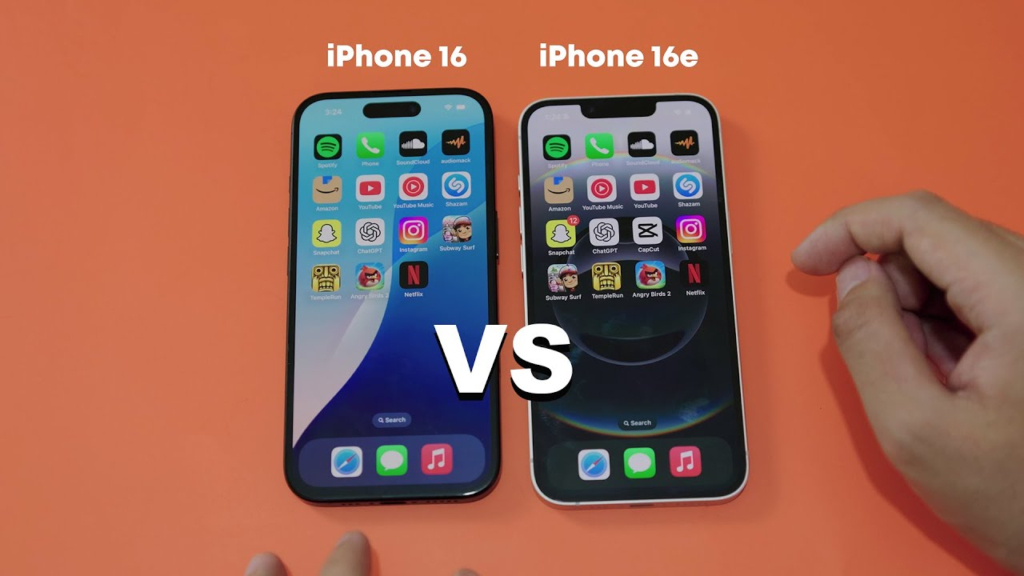
Resolution and pixel density stay nearly matched too, so text sharpness and color accuracy read almost identically on both panels. True Tone support, which adjusts white balance to match ambient lighting, is present on both devices. If display quality alone were the deciding factor in the iphone 16e vs iphone 16 debate, this would be one of the closest calls in the whole comparison.
iPhone 16e Vs iPhone 16 Cameras
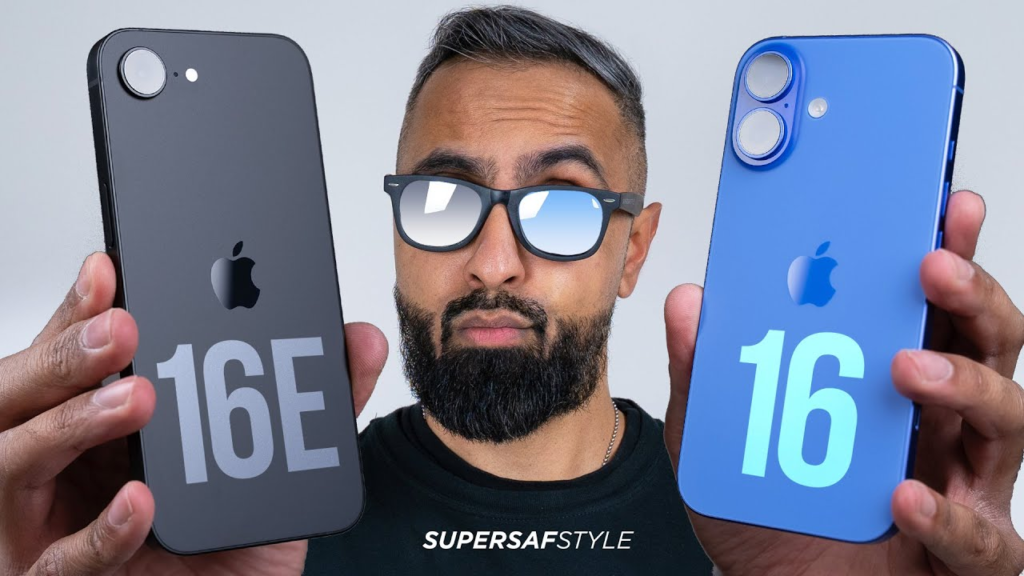
Camera hardware is probably the single biggest differentiator in the iphone 16e vs iphone 16 conversation. The 16e ships with one 48MP Fusion camera and no ultra-wide lens, meaning you lose the ability to capture sweeping landscape shots or tight group photos without stepping back several extra feet. It still supports 2x optical-quality zoom through sensor cropping, so casual photography holds up fine.
The iPhone 16 adds that second ultra-wide lens, along with slightly improved computational photography tuning for night shots. If photography is a priority for you, this section of the iphone 16e vs iphone 16 debate should weigh heavily in your final decision. Video recording tops out at 4K on both phones, but the 16 handles low-light video with noticeably less grain.
Portrait mode works on both phones, using software depth mapping rather than a dedicated lens, and results look surprisingly close between the two. Selfie camera hardware is actually identical, borrowed from the iPhone 15 Pro Max sensor, so front-facing shots and video calls look the same regardless of which model you choose. The rear camera gap remains the clearest, most practical difference in the entire iphone 16e vs iphone 16 comparison.
Chip Speed And Performance
Both phones run on Apple’s A18 chip, though Apple trimmed the GPU core count on the 16e from 5 cores down to 4. In benchmark testing this shows up mostly in graphically demanding games, where frame rates on the 16 stay marginally smoother during longer sessions. For everyday tasks like email, social media and video calls, the difference is close to invisible.
Apple Intelligence features run identically on both devices since they share the same neural engine architecture. RAM is also matched at 8GB across both models, which keeps multitasking snappy on either phone. If you are a mobile gamer chasing every extra frame, the 16 edges ahead, but casual users likely will not feel the gap day to day.
Sustained performance during longer sessions favors the 16 slightly due to its extra GPU core, but real-world benchmarks put both phones within a few percentage points of each other on most standard tests.
iPhone 16e Vs iPhone 16 Battery
Battery life actually favors the cheaper phone in this comparison, which surprises a lot of shoppers researching iphone 16e vs iphone 16 specs before buying. The 16e packs a slightly larger 4005 mAh cell and Apple’s efficient in-house C1 modem, giving it some of the best battery endurance of any 6.1 inch iPhone released so far.
Apple rates the 16e for up to 26 hours of video playback, matching or slightly beating the standard 16 in several real-world tests. Charging speed is where the trade-off appears, since the 16e supports slower wired charging and skips Qi2 wireless charging altogether. If all-day battery matters more to you than fast top-ups, the 16e quietly wins this round.
Standby time and screen-on time both lean in favor of the 16e according to independent battery drain tests, largely thanks to the efficiency of the C1 modem compared to a traditional Qualcomm chip.
iPhone 16e Vs iPhone 16 Pricing
Price is usually the deciding factor once people finish comparing specs, and the gap between these two phones is meaningful. According to detailed specification breakdowns, the 16e starts noticeably lower than the standard 16, often by 200 dollars or more depending on storage tier and region. That gap covers a real second camera lens, MagSafe, and a slightly faster GPU.
For budget-conscious buyers, the iphone 16e vs iphone 16 pricing gap is often the whole argument. Students, first-time iPhone owners or anyone upgrading from an older SE model tend to find the 16e delivers 90% of the flagship experience for a meaningfully smaller bill. Anyone who photographs frequently or games heavily may still find the extra spend on the 16 worthwhile.
Trade-in credit, carrier promotions and seasonal sales can shrink or widen this gap depending on when and where you buy, so check current deals before assuming the price difference is fixed.
Apple Intelligence And Software
Software support is identical across both phones, which is genuinely reassuring for anyone worried about buying a lesser device. Both ship with the same iOS version out of the box and both are guaranteed the same number of years of major updates from Apple. Apple Intelligence, including writing tools, notification summaries and the redesigned Siri, works the same way on either model.
This matters a lot in the iphone 16e vs iphone 16 discussion because software longevity often outlasts hardware differences. A phone that gets five more years of security patches is arguably a safer long-term investment than one with marginally better specs today. Neither buyer here is sacrificing future-proofing by choosing the cheaper option.
Feature rollouts, including new Siri capabilities and writing tools, tend to arrive on both phones at the same time rather than being staggered by model tier.
Modem Speed And Signal
Apple’s custom C1 modem debuted in the 16e, replacing the Qualcomm modem found in the standard 16. Early testing from reviewers, including a head-to-head against the Pro Max, found the C1 modem matched download speeds and even edged ahead on upload speeds in some networks. That is a genuinely impressive result for Apple’s first in-house modem.
Coverage in fringe signal areas can vary slightly between the two modems depending on your carrier and region, so results are not universal everywhere. Satellite connectivity features, including emergency SOS, work on both phones without any difference. For most everyday users, modem choice will not be something you notice while making calls or browsing.
Wi-Fi 6 support, Bluetooth 5.3 and NFC for contactless payments are identical across the two phones, and eSIM-only design applies to both in most regions.
Storage Choices And RAM
Storage options line up closely between the two models, with both starting at 128GB and topping out at 512GB. Neither phone offers a 1TB option, which keeps this segment reserved for the Pro lineup. RAM sits at 8GB on both devices, so app switching and background processes behave almost identically.
Where storage choice actually matters is planning for photo and video habits. If you shoot a lot of 4K footage, jumping to the 256GB tier on either phone is a smart move regardless of which model you pick. Pricing between storage tiers scales the same way on both, so this is not a factor that should swing your decision.
Cloud backup habits also factor in here, since anyone relying heavily on iCloud Photos may find the base tier plenty on either phone.
Colors And Physical Design
Color options are noticeably more limited on the budget model. The 16e comes in just black and white, a stripped-down choice compared to the five vibrant colors offered on the standard 16, including teal, pink and ultramarine. For buyers who care about personal style, this alone might settle the argument.
Physical dimensions stay close between the two, with only a hair of difference in height and width. Both use Ceramic Shield front glass for scratch resistance and both carry an IP68 rating for dust and water protection. If color variety matters to your buying decision, the 16 simply gives you more to choose from.
Back glass finish also differs slightly, with the 16e using a more understated look compared to the glossier finish on some 16 colorways.
MagSafe And Wireless Charging
This is one of the more surprising omissions on the 16e. Despite being a 2025 release, the iPhone 16e does not support MagSafe, making it the last current iPhone without magnetic wireless charging. If you rely on magnetic car mounts, wallet attachments or fast wireless charging pads, this is a real limitation worth testing before you buy.
The standard iPhone 16 supports full Qi2 wireless charging with MagSafe alignment, charging noticeably faster than the older Qi standard. For anyone building out a desk setup or car mount system around magnetic accessories, the 16 is simply the more compatible choice between these two phones.
Third-party MagSafe accessories, from battery packs to card holders, simply will not snap onto the 16e the way they do on the 16. If you already own MagSafe gear, this alone might be reason enough to lean toward the standard model.
Zoom Range And Lenses
Zoom capability ties directly back into the camera differences covered earlier. The 16e relies entirely on sensor cropping for its 2x zoom, since it has no dedicated telephoto or ultra-wide hardware. Photos taken at that crop level hold up fine in good lighting but lose detail faster once light drops.
The iPhone 16 offers the same 2x optical-quality crop zoom plus the added flexibility of an ultra-wide lens for architecture, landscapes and group shots. If your photography leans toward variety rather than just standard portraits, the extra lens on the 16 genuinely changes what you can capture in a single outing.
Macro photography, which relies on the ultra-wide lens for extreme close focus, is another feature exclusive to the standard 16. Anyone who enjoys shooting close-up detail shots of food, plants or small objects will notice this gap immediately, since the 16e simply has no hardware path to replicate that specific shot.
Action Button And Controls
Apple carried the Action Button over from the Pro lineup onto both the 16e and the 16, letting you assign shortcuts like flashlight, camera or voice memo with a single press. This is one area where the cheaper phone does not compromise at all compared to its pricier sibling.
Camera Control, the pressure-sensitive button introduced with the 16 series, is missing entirely on the 16e. That button lets you adjust zoom, exposure and depth of field with a light touch or swipe on the standard 16. Photography enthusiasts will likely miss this control more than any other single omission on the budget model.
Anyone switching from an older iPhone without Camera Control will not feel like they are missing anything on the 16e at all.
Choosing The Right Model
If your daily phone use revolves around messaging, browsing, streaming and the occasional photo, the 16e comfortably covers those needs while saving you real money. Its battery life and modem performance make it a strong pick for anyone upgrading from an older iPhone SE or a several-years-old standard model.
If photography, MagSafe accessories or color variety matter to you, the extra cost of the standard 16 buys real, tangible upgrades rather than just marketing polish. Neither phone is a bad purchase, which is exactly why this comparison takes some thought rather than a quick glance at the price tag.
iPhone 16e Vs iPhone 16 Verdict
After weighing every category, the iphone 16e vs iphone 16 decision really comes down to how you use your phone rather than which one is objectively better. The 16e wins on price and battery efficiency, while the 16 wins on camera versatility, MagSafe support and color choice.
Neither model is a downgrade in the ways that matter most, since both share the same chip family, the same software support window and the same Apple Intelligence features. Your budget and your photography habits should be the two biggest factors guiding which side of this comparison you land on.
Frequently Asked Questions Here
Is the iphone 16e vs iphone 16 price gap worth paying for most people?
For casual users who mainly text, browse and stream video, the price gap often is not worth it since the 16e covers those tasks just as well. Photography enthusiasts and anyone wanting MagSafe will likely feel the extra cost is justified.
Does the iPhone 16e support 5G and satellite features?
Yes, the 16e supports 5G connectivity through Apple’s custom C1 modem and includes satellite SOS features identical to the standard iPhone 16.
Can I use MagSafe accessories with the iPhone 16e?
No, the iPhone 16e does not include MagSafe hardware, so magnetic chargers, wallets and mounts will not attach or charge properly on this model.
Which phone has better battery life, the 16e or the 16?
The 16e generally edges ahead in battery testing thanks to its larger cell and efficient modem, often lasting slightly longer on a single charge than the standard 16.
Choosing between these two phones does not have to feel complicated once you know what actually separates them. The iphone 16e vs iphone 16 comparison boils down to a handful of real trade-offs: camera flexibility, MagSafe support and color choice on one side, against a lower price and slightly better battery life on the other. Neither phone skimps on performance, software support or Apple Intelligence features, so you are not settling for something outdated by picking the cheaper option.
Think honestly about how you actually use your phone before deciding. If photos, accessories and style matter to you, the standard 16 earns its higher price tag. If you want a reliable, efficient daily driver without stretching your budget, the 16e delivers almost everything that matters for a noticeably lower cost. Either way, you are getting a current-generation iPhone with years of updates ahead of it, which is really the safest part of this whole decision.
Whatever you choose in the iphone 16e vs iphone 16 debate, both phones represent solid value in their own lane, and neither one will leave you feeling like you settled for less.